

Quick answer: Modular kitchen and bath brands grow by making a complex, high-involvement purchase feel simple and trustworthy. That means clear product and finish information, experience centres where buyers can touch and test, strong support for architects, designers and dealers, helpful planning content for search and AI answers, and installed-project photography that proves quality.
What makes kitchen and bath marketing different?
Kitchen and bath marketing is different because the purchase is technical, long-lasting and tied to renovation or new-build timelines. Buyers worry about layout, durability, water resistance, hardware quality, installation and after-sales service, not just appearance.
Decisions are also shared. Homeowners, interior designers, architects, contractors and sometimes plumbers all influence the final choice. Marketing has to inspire the homeowner while giving professionals the technical confidence to recommend the brand.
Because kitchens and bathrooms are replaced far less often than furniture or decor, buyers feel the risk of a wrong decision strongly. Marketing that reduces that risk, through warranties explained in plain language, visible after-sales support, transparent lead times and real customer stories, often matters more than another beautiful lifestyle image.
Who influences a kitchen or bath purchase?
A kitchen or bath purchase is influenced by the homeowner, the architect or interior designer, the contractor and, for fittings, the plumber or MEP consultant. Each needs different information at different times.
Homeowners need inspiration, budget clarity and reassurance about service. Designers need finishes, dimensions, lead times and samples. Contractors need installation details and stock availability. The table below summarises these needs.
| Influencer | Main concern | Helpful content | Best channel |
|---|---|---|---|
| Homeowner | Look, budget, service | Inspiration, planning guides, reviews | Instagram, search, showroom |
| Interior designer | Finishes, fit, lead time | Samples, catalogues, consultations | Studio visits, LinkedIn |
| Architect / MEP consultant | Specifications, compliance | Spec sheets, CAD/BIM files | Website, project desk |
| Contractor / plumber | Installation, availability | Installation guides, training | Dealer network, WhatsApp |
Why are experience centres so important?
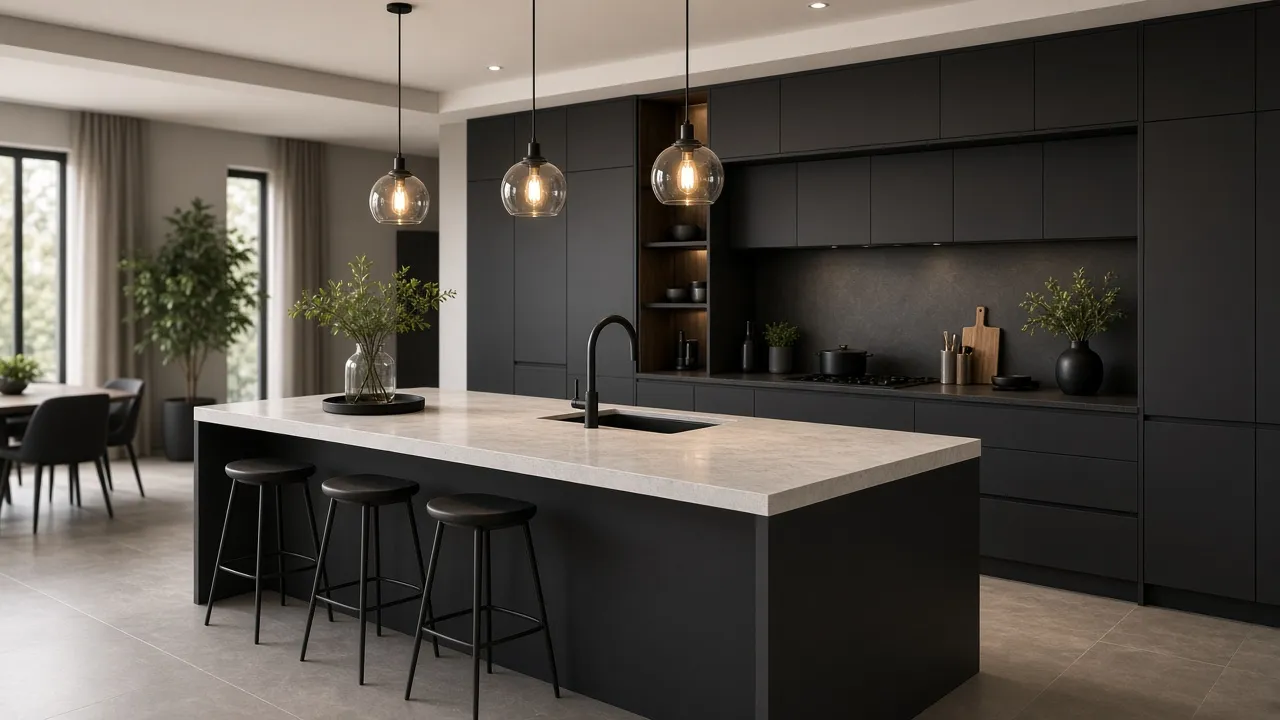
Experience centres are important because people want to open drawers, feel soft-close mechanisms, check worktop finishes and see fittings at real scale before committing. A well-designed display often closes the sale.
Marketing should drive qualified visits by inviting designers to bring clients, hosting product launches and running local campaigns around renovation seasons. Brands such as RSM Marble and other material and fittings brands in ONEDIGITAL’s portfolio rely heavily on physical spaces where products can be experienced. ONEDIGITAL’s event team often builds experience centre launches for this reason.
What content should kitchen and bath brands create?
Kitchen and bath brands should create planning content, product content and project content. Planning content helps buyers decide layouts and materials, product content explains specifications, and project content proves quality in real homes.
- Layout guides: L-shaped, parallel, island and U-shaped kitchens
- Material comparisons: worktops, shutters, carcass materials
- Bathroom planning: wet and dry zones, fixture heights, ventilation
- Care guides for finishes, stone and fittings
- Installed-project photography and short walkthrough videos
- Downloadable catalogues, finish cards and spec sheets
How should kitchen and bath brands approach SEO?
Kitchen and bath brands should build SEO around planning questions, product categories and local showroom searches. Guides answering “how much space does a kitchen island need” or “what is the difference between quartz and granite worktops” attract buyers early in their journey.
Category pages for kitchen styles, wardrobes, basins, faucets and showers should be well-structured and internally linked to guides. Each experience centre needs an accurate Google Business Profile. These same fundamentals help with Google AI Overviews, which Google says rely on standard SEO practices.
How can brands support architects and designers?
Brands support architects and designers by making specification easy: CAD and BIM files where available, finish samples, quick quotations, design consultations and project references. Designers recommend brands that save them time and protect their reputation with clients.
Regular knowledge sessions in the experience centre, studio visits by trained representatives and a responsive project desk all build loyalty. ONEDIGITAL’s work across the architecture and interior industry shows that specifier programmes often outperform consumer advertising for premium brands.
How should dealers be supported?
Dealers should be supported with consistent marketing material, display guidelines, product training and co-branded local campaigns. A dealer with good photography, brochures and social content represents the brand more faithfully.
A simple dealer portal or shared drive with approved assets, price lists and campaign templates helps keep the brand consistent across cities while giving local partners flexibility.
Which social channels suit kitchen and bath brands?
Instagram suits kitchen and bath brands for inspiration and transformation stories, while LinkedIn suits specifier and project relationships. Pinterest-style inspiration and YouTube walkthroughs can also help buyers planning renovations.
Short Reels showing mechanisms, organisation solutions and finished spaces perform naturally. On LinkedIn, project completions with architects, factory and quality stories, and trade event participation build professional trust. The social media management team at ONEDIGITAL often plans both from one shoot.
How should kitchen and bath brands plan a launch or campaign?
Kitchen and bath brands should plan launches around a clear product story, an experience centre moment and assets for every channel. A new shutter finish, worktop range or fittings collection needs hero photography, a short film, updated product pages, catalogue inserts, dealer kits and social content ready before the launch date.
Invite architects, interior designers and key dealers to a preview where they can see and touch the collection, then follow up with samples and spec sheets. For consumer reach, time local campaigns around periods when homeowners typically plan renovations or move into new homes, and make sure every ad leads to a page or experience centre booking that matches its promise.
After launch, collect installed-project photography as soon as the first projects are complete, with permission from the homeowner and designer. These real-world images often become the most persuasive content for the next year, because they show the product in Indian homes rather than in a catalogue set.
How should kitchen and bath brands measure marketing?
Kitchen and bath brands should measure marketing by experience centre visits, design consultations booked, specifier registrations, dealer enquiries and conversion from visit to order. These connect marketing directly to revenue.
Track the source of every enquiry and visit, and review quarterly which channels bring the highest-value projects. Over time, this shows whether to invest more in specifier programmes, search, social or events.
Key takeaways
- Kitchen and bath purchases are technical and shared decisions.
- Experience centres often close the sale.
- Planning content attracts buyers early in their journey.
- Specifier support can outperform consumer advertising.
- Measure visits, consultations and specifications, not just clicks.
Frequently asked questions
How can a modular kitchen brand get more leads?
Combine local SEO for each showroom, helpful planning content, Instagram transformation stories and a strong designer referral programme.
Should bath fittings brands target plumbers?
Yes, alongside architects and designers. Installers often influence brand choice, especially for replacement and mid-range projects.
What content works best for kitchen brands?
Layout guides, material comparisons, finished-project photography and short videos showing mechanisms and storage solutions.
Do kitchen and bath brands need experience centres?
For premium brands, yes. Buyers want to touch finishes and test mechanisms before committing.
Can ONEDIGITAL market kitchen and bath brands?
Yes. ONEDIGITAL works with interior product and material brands on branding, content, events and digital marketing.
Sources
- Google Search Central: AI features and your website
- Google Business Profile Help: Guidelines for representing your business
Want help applying this to your brand? Talk to the ONEDIGITAL team in Mumbai, Delhi, Gurugram, Bangalore or Dubai.