

Quick answer: A strong interior design studio identity starts with clear positioning, then expresses it through a distinctive name and logo, a restrained typography and colour system, a consistent photography style, a recognisable tone of voice and careful application across website, social media, presentations, site boards and handover documents. Use this checklist to find gaps.
Why does an interior studio need a defined brand identity?
An interior studio needs a defined brand identity because clients are buying taste and judgement, and every touchpoint is evidence of both. A studio that presents inconsistent fonts, mismatched photography and generic templates undermines the very sensibility it is selling.
A clear identity also makes marketing easier. When the team knows exactly how the studio looks and sounds, every proposal, Instagram post and site board reinforces the same impression, and the studio becomes more memorable to clients and collaborators.
Is your positioning clear before you design anything?
Your positioning is clear when you can state who you design for, what kind of spaces, in what style and why clients choose you, in one or two sentences. Identity design should express this positioning, not replace it.
Write it down and test it with recent clients. If they describe you differently, explore why. ONEDIGITAL’s guide to studio positioning offers a useful framework.
Does your name and logo work everywhere?
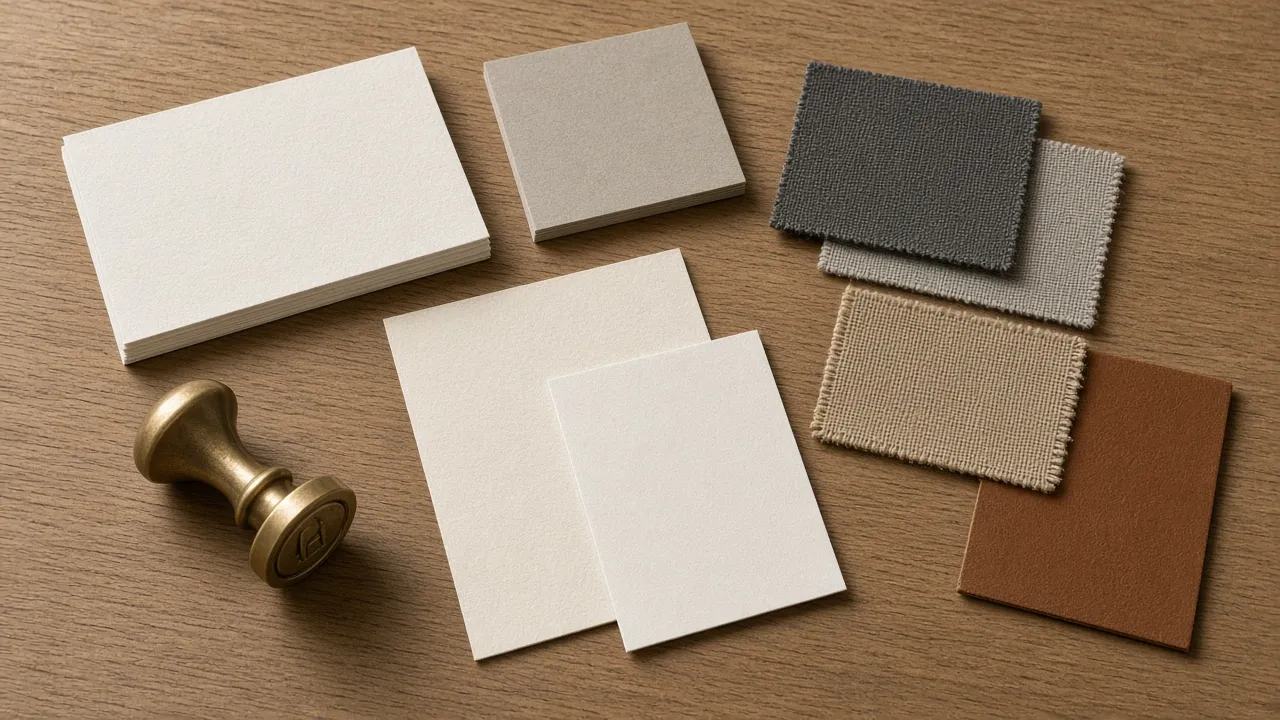
Your name and logo work everywhere when they are legible at small sizes, reproduce well in one colour, suit both digital and physical applications and feel appropriate for your clientele. Test them on an Instagram profile picture, a site hoarding, a business card and an embossed folder.
Many interior studios favour wordmarks or monograms with refined typography. Avoid overly literal icons, such as sofas or houses, which can feel generic.
What should the full identity checklist cover?
The full identity checklist should cover strategy, visual elements, verbal elements and applications. Use the list below to audit your studio.
- Positioning statement and target client definition
- Name and descriptor line used consistently
- Primary logo, secondary marks and monogram
- Typography: primary and secondary typefaces with usage rules
- Colour palette with exact values for print and screen
- Photography style: lighting, angles, editing, people or no people
- Tone of voice: words you use and avoid
- Templates: proposals, presentations, mood boards, invoices
- Website, social media profiles and highlight covers
- Physical: stationery, site boards, signage, handover packs
How should typography and colour be chosen?
Typography and colour should be chosen to reflect the studio’s design language and remain timeless. A studio known for warm, layered interiors may choose softer serif typefaces and earthy tones, while a minimalist practice might prefer a precise sans-serif and a near-monochrome palette.
Limit the system to one or two typefaces and a small palette. Restraint usually reads as confidence in the design world. Document exact colour values so printers and developers reproduce them accurately.
Why is photography style part of identity?
Photography style is part of identity because, for interior studios, the work is the brand. Consistent lighting, angles, editing and styling across project photography make a portfolio feel coherent and recognisable at a glance.
Brief photographers with reference images and a written style guide. ONEDIGITAL’s photography team typically agrees a style for each studio so every shoot strengthens the identity.
How do identity elements compare in importance?
Identity elements vary in how often clients see them and how much they shape perception. The table below helps studios prioritise where to invest first.
| Element | Where clients see it | Impact on perception | Priority |
|---|---|---|---|
| Project photography | Website, Instagram, proposals | Very high | First |
| Logo and typography | Everywhere | High | First |
| Website | Before first contact | Very high | First |
| Proposal templates | During pitching | High | Second |
| Site boards and signage | On site | Medium | Second |
| Handover packs | After completion | High for referrals | Third |
What is tone of voice and why does it matter?
Tone of voice is the consistent personality in how a studio writes and speaks, from website copy and captions to proposals and emails. It matters because clients form impressions from words as well as images.
Define three or four voice traits, such as warm, precise and quietly confident, with examples of phrases to use and avoid. This helps everyone in the studio communicate consistently.
How should the identity carry into client experience?
The identity should carry into client experience through branded proposals, mood boards, presentation decks, site signage, progress reports and handover packs. These moments are where clients feel the studio’s care most directly.
A beautifully designed handover booklet with care instructions, supplier details and final photographs can turn a satisfied client into an enthusiastic referrer.
How do you roll out a new identity?
You roll out a new identity by updating digital touchpoints first, such as website, social profiles and email signatures, then templates and physical items. Brief the whole team and retire old materials so inconsistent versions do not linger.
Announce the refresh with a short story about why it changed. ONEDIGITAL’s branding team plans rollouts so studios do not have to manage every detail themselves.
What identity mistakes do interior studios commonly make?
Interior studios commonly make the mistake of letting each team member create their own presentation style, so proposals, mood boards and site documents look different depending on who prepared them. Clients notice this inconsistency, and it quietly undermines the impression of a studio with a strong point of view.
Another frequent mistake is mixing photography from many photographers with different lighting and editing styles on the website and Instagram. Even beautiful projects look disjointed when presented without a consistent visual approach. Studios also often over-design their logo while neglecting the templates and documents clients actually spend time with.
Finally, many studios treat identity as a one-off design exercise rather than a system that needs maintenance. Assign one person to own brand consistency, keep templates updated in a shared folder and review new materials before they go to clients.
How often should a studio review its identity?
A studio should review its identity every few years or whenever positioning shifts significantly, such as moving into hospitality or luxury villas. Small refinements keep it current without losing recognition.
Major overhauls should be rare and strategic. Consistency over time builds the recognition that makes a studio’s identity valuable. See examples across ONEDIGITAL’s architecture and interior clients.
Key takeaways
- Identity expresses positioning; define positioning first.
- Test name and logo across digital and physical uses.
- Keep typography and colour restrained and documented.
- Photography style is central to an interior studio’s identity.
- Carry the identity through proposals, site and handover.
Frequently asked questions
What is included in a brand identity for an interior studio?
Typically positioning, name and logo, typography, colour, photography style, tone of voice and applications such as website, templates and stationery.
Do interior designers need brand guidelines?
Yes. Even a short guidelines document helps the team apply the identity consistently.
Should an interior studio logo include an icon?
Not necessarily. Many studios use refined wordmarks or monograms, which tend to age better than literal icons.
How often should a design studio rebrand?
Rarely. Refine every few years, and consider a full rebrand only when positioning changes significantly.
Can ONEDIGITAL create a brand identity for my studio?
Yes. ONEDIGITAL develops identities for interior designers, architects and design brands.
Sources
Want help applying this to your brand? Talk to the ONEDIGITAL team in Mumbai, Delhi, Gurugram, Bangalore or Dubai.