

Quick answer: Great jewellery photography uses controlled, diffused lighting, clean backgrounds, macro lenses and careful focus stacking to reveal sparkle and detail, plus on-model and lifestyle images to show scale and styling. Retouching should clean and correct without misrepresenting metal colour, stone quality or size. Plan images and video for website, marketplaces and social formats together.
Why is jewellery so difficult to photograph?
Jewellery is difficult to photograph because it is small, highly reflective and full of fine detail. Polished metal mirrors everything around it, diamonds and gemstones need precise light to show fire and brilliance, and tiny dust particles or scratches become obvious at macro scale.
Getting it right requires specialised lighting, lenses, techniques and patience. That is why professional jewellery photography is a distinct skill from general product photography.
Even small inconsistencies, such as slightly different white balance between two earrings in the same set, can make buyers question quality. Jewellery photography therefore rewards careful planning, a consistent setup and a clear standard that every shoot follows.
What lighting works best for jewellery?
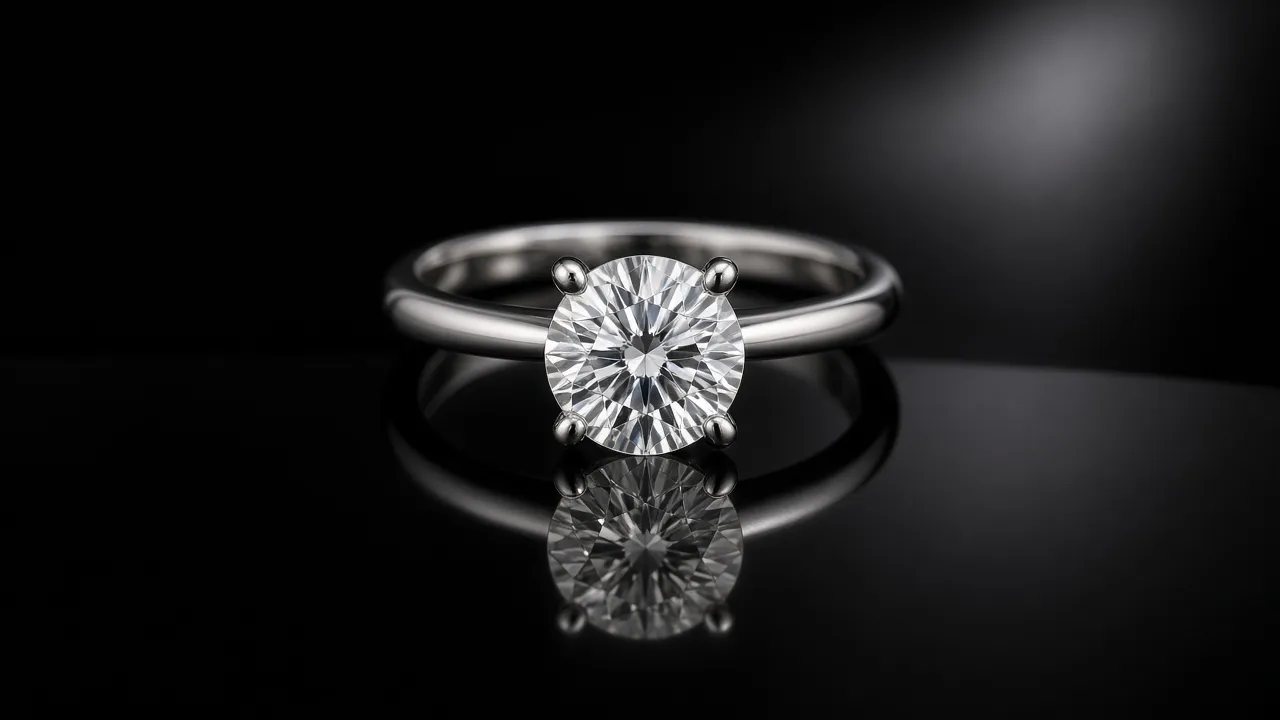
Lighting that works best for jewellery is soft, diffused and controlled, often using light tents, large diffusers and small reflectors or mirrors to add highlights exactly where needed. The aim is to show metal as clean and bright and stones as lively, without harsh hotspots.
Consistent colour temperature is essential so gold looks like gold and white metals look neutral. Calibrated lighting and colour-managed editing prevent costly colour errors.
What types of jewellery images does a brand need?
A jewellery brand needs product hero shots, multiple angles, macro detail shots, scale references, on-model images and lifestyle or editorial images. Each serves a different purpose on websites, marketplaces, social media and print.
- Hero shot on a clean background for listings
- Multiple angles: front, side, back, clasp
- Macro details: setting, engraving, texture
- Scale: on hand, ear or neck, or next to a reference
- On-model styling for context
- Editorial or campaign images for storytelling
- Short videos showing sparkle and movement
How should backgrounds be chosen?
Backgrounds should be chosen to suit the channel and brand. Pure white backgrounds work well for websites and marketplaces, while textured surfaces such as stone, silk or wood suit editorial and social content. Dark backgrounds can make diamonds and gold dramatic but require careful lighting.
Keep background choices consistent within each collection so the brand looks cohesive.
Props should be minimal and never compete with the jewellery; a single stone, fabric fold or flower is usually enough to add context without distraction.
What is focus stacking and why does it matter?
Focus stacking is a technique where several images focused at different depths are combined into one sharp image. It matters because macro photography has very shallow depth of field, so a single shot may show only part of a ring in focus.
Stacked images show the entire piece crisply, which helps buyers judge detail and quality online.
Most professional jewellery photographers use focus stacking routinely for hero and detail shots, combining anywhere from a few to many frames depending on the depth of the piece.
How should on-model jewellery photography be planned?
On-model photography should be planned with models, styling, hair, make-up and wardrobe that complement the jewellery and reflect the target buyer. Hands should be well-groomed, and poses should show how pieces sit naturally.
For bridal and festive collections, styling should respect cultural context. ONEDIGITAL’s photography and videography team plans on-model shoots with styling teams for luxury brands.
How do jewellery image types compare?
Jewellery image types serve different goals. The table below summarises their uses.
| Image type | Main use | Strength | Typical background |
|---|---|---|---|
| Hero product shot | Website, marketplaces | Clarity and consistency | White or neutral |
| Macro detail | Product pages | Shows craftsmanship | Neutral |
| On-model | Website, social, ads | Scale and styling | Lifestyle or studio |
| Editorial / campaign | Social, PR, print | Storytelling and mood | Styled sets |
| 360 video | Product pages, Reels | Sparkle and movement | Neutral |
What are the rules for ethical retouching?
Ethical retouching cleans dust, removes reflections of equipment and corrects colour, but does not change metal colour, stone clarity, colour or size in ways that misrepresent the product. Buyers trust what they see, and misleading images lead to returns, complaints and reputational damage.
Create clear retouching guidelines and review final images against the actual pieces.
Keep original files so any image can be checked if questioned.
Why should jewellery brands invest in video?
Jewellery brands should invest in video because sparkle, movement and drape are best shown in motion. Rotating 360-degree clips, slow reveals and on-model movement help buyers understand pieces far better than stills alone.
Short videos work well on product pages, Instagram Reels and WhatsApp. ONEDIGITAL’s guide to the best photography agencies for luxury brands explains what to look for in a production partner.
How should images be prepared for web performance?
Images should be prepared for web performance by exporting in modern formats such as WebP, compressing carefully, sizing for actual display dimensions and adding descriptive alt text. Fast-loading pages convert better and support SEO.
Provide zoomable high-resolution images on product pages while keeping file sizes efficient. Alt text should describe the piece accurately, such as “18k yellow gold diamond halo ring, side view”.
Should jewellery brands shoot in-house or hire a studio?
Jewellery brands can shoot simple catalogue images in-house once they invest in proper lighting, a macro lens, a light tent and training, but most benefit from a specialist studio for hero, campaign and on-model work. The learning curve for jewellery photography is steep, and early in-house attempts often produce images that make pieces look cheaper than they are.
A hybrid approach works well for many brands: a specialist creates the visual standard, lighting setups and retouching guidelines, and an in-house team handles routine catalogue additions following that template. This keeps quality consistent while controlling cost for brands that add new pieces frequently.
Whichever route you choose, document the setup carefully, including light positions, camera settings, backgrounds and editing presets, so every new image matches the existing catalogue.
How often should a jewellery brand reshoot?
A jewellery brand should shoot every new collection and refresh lifestyle and campaign imagery regularly, often seasonally or around key occasions. Consistent visual quality across old and new products keeps the website and social channels cohesive.
Batch shoots by collection to keep costs efficient and styling consistent. Brands across ONEDIGITAL’s lifestyle and luxury portfolio plan annual shoot calendars aligned to launches.
Key takeaways
- Jewellery requires specialised lighting and macro technique.
- Plan hero, detail, scale, on-model and editorial images.
- Focus stacking keeps entire pieces sharp.
- Retouch ethically without misrepresenting the product.
- Optimise images for fast web performance.
Frequently asked questions
What lighting is best for jewellery photography?
Soft, diffused, controlled lighting with small reflectors to add highlights.
What background is best for jewellery product photos?
White or neutral for listings; textured or dark surfaces for editorial and social content.
What is focus stacking?
Combining several images focused at different depths into one sharp image.
Should jewellery images be retouched?
Yes, to clean and correct, but never to misrepresent metal colour, stone quality or size.
Does ONEDIGITAL offer jewellery photography?
Yes. ONEDIGITAL’s photography team shoots product, on-model and campaign imagery for luxury brands, including jewellery.
Sources
Want help applying this to your brand? Talk to the ONEDIGITAL team in Mumbai, Delhi, Gurugram, Bangalore or Dubai.