

Quick answer: Luxury home decor brands grow by owning a clear design point of view, telling collection stories, showing products styled in real rooms, partnering with interior designers and stylists, building a consistent Instagram presence, answering styling questions for search and AI answers, and creating retail or pop-up experiences where buyers can feel materials and craft.
What makes home decor marketing different?
Home decor marketing is different because buyers purchase more frequently and more emotionally than with furniture or kitchens. Cushions, vases, rugs, art, tableware and lighting accents are often bought to refresh a space, mark a season or give as gifts.
Decor is also about combinations. Buyers want to know how pieces work together and in their own homes. Marketing that shows styling, not just products, is far more persuasive.
Because purchases are smaller and more frequent, repeat customers and word of mouth matter enormously, so the experience after purchase, from packaging to care advice, is part of the marketing.
How should a decor brand define its positioning?
A decor brand should define its positioning around a clear design point of view, such as handcrafted Indian textiles, contemporary ceramics, artisanal brass, coastal minimalism or maximalist colour. A focused identity is easier to remember and recommend.
ONEDIGITAL’s branding team helps decor brands articulate positioning and translate it into identity, packaging and content. Brands such as HOME ETTU and VIVONO, which ONEDIGITAL works with, show how a clear aesthetic carries across channels.
Why does collection storytelling matter?
Collection storytelling matters because decor buyers connect with the inspiration, craft and meaning behind pieces. A collection inspired by a region’s block-printing tradition or a particular landscape gives buyers a reason to choose it over generic alternatives.
Tell the story consistently across website, Instagram, packaging and store displays, and credit artisans and techniques where possible.
Give each collection a name and short story line that staff and captions can repeat.
What content should a home decor brand create?
A home decor brand should create styled room imagery, product close-ups, styling tips, seasonal edits, gifting guides and behind-the-scenes craft content. Styling content is often the most shared and saved.
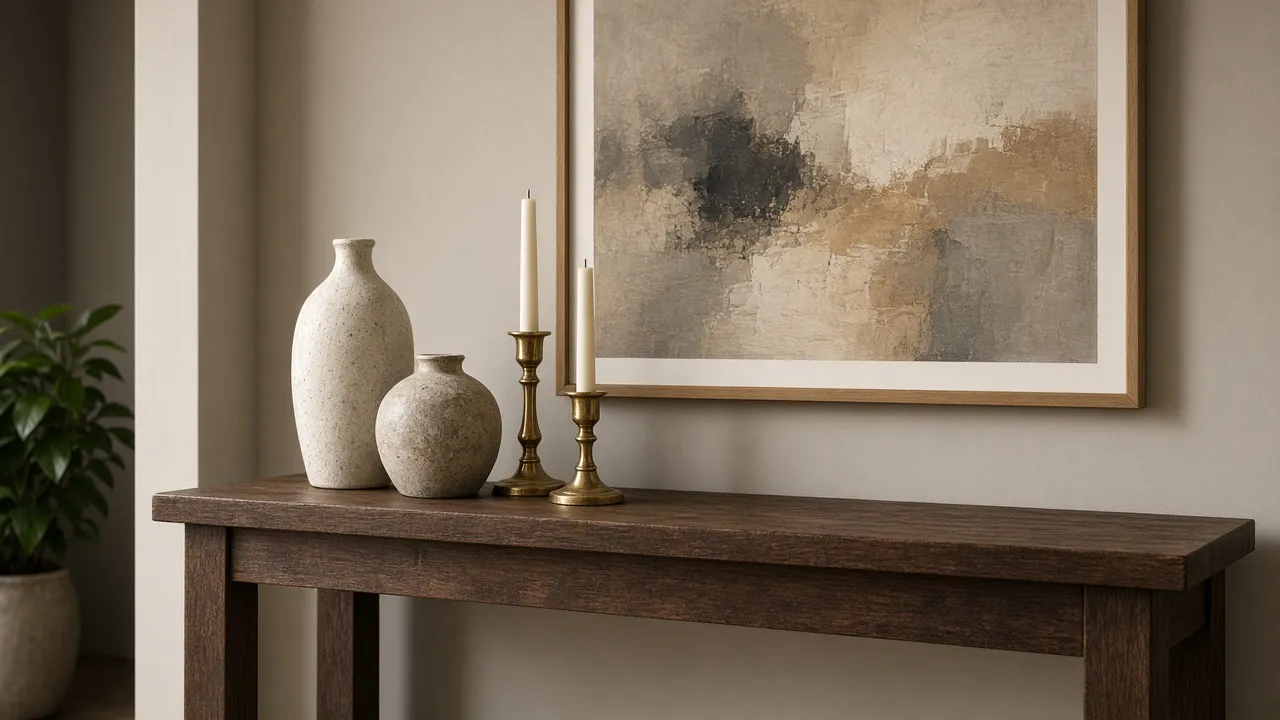
- Styled vignettes: consoles, shelves, tablescapes, beds
- Close-ups of texture, glaze, weave and finish
- Styling tips: layering, colour pairing, scale
- Seasonal and festive edits
- Gifting guides for occasions
- Artisan and making-of stories
How should decor brands use Instagram?
Decor brands should use Instagram to inspire, educate and drive discovery. Reels showing a shelf or table being styled, before-and-after refreshes and quick tips on pairing colours or textures perform naturally because they are useful and visually satisfying.
Instagram supports Reels up to three minutes, which allows full room styling sequences, though short edits typically reach more new people. ONEDIGITAL’s social media team plans decor content around collections and seasons.
How do decor marketing channels compare?
Different channels play different roles for decor brands. The table below compares them.
| Channel | Role | Strength | Consideration |
|---|---|---|---|
| Inspiration and discovery | Styling Reels, saves | Needs consistent aesthetic | |
| Website and SEO | Sales and research | Category pages, guides | Requires helpful content |
| Designer trade programme | Project sales | High-value orders | Needs dedicated support |
| Retail and pop-ups | Touch and discovery | Texture and colour | Investment in space and staff |
| Gifting campaigns | Seasonal sales | High demand periods | Plan months ahead |
How can decor brands partner with interior designers?
Decor brands can partner with interior designers through trade programmes, styling collaborations, project credits and showroom events. Designers often source decor for completed projects and can introduce brands to high-value clients.
Offer trade pricing, sample access, quick availability information and professional imagery designers can use in presentations. ONEDIGITAL’s work across the architecture and interior sector connects decor brands with this community.
How should decor brands approach SEO and AI answers?
Decor brands should approach SEO and AI answers by building clear category pages and publishing helpful styling guides, such as how to choose rug sizes, how to style a console table or how to layer cushions. Each guide should answer directly and link to relevant products.
Google says its AI features rely on standard SEO fundamentals, so well-structured, helpful content supports both search and AI visibility.
Update guides each season.
What role do retail and pop-ups play?
Retail stores and pop-ups let buyers feel textures, see colours accurately and discover pieces they would not find online. Pop-ups during festive and gifting seasons can test new cities and build customer lists.
Design retail spaces as styled rooms rather than shelves of products, so buyers can imagine pieces at home.
Host styling workshops to draw repeat visitors.
How should decor brands handle gifting seasons?
Decor brands should plan gifting seasons months ahead with curated gift edits, premium packaging, corporate gifting options and timely campaigns around festivals such as Diwali. Gifting can be a significant share of decor sales.
Make gift edits easy to shop by budget and recipient, and offer gift messages and wrapping.
Corporate gifting can be a valuable channel for premium decor brands, so prepare a simple catalogue, bulk pricing approach, customisation options and clear lead times for companies planning festive gifts.
How should decor brands present products online?
Decor brands should present products online with multiple images, including styled room shots, close-ups of texture and finish, and scale references such as a vase beside books or a cushion on a sofa. Accurate colour is critical, because colour mismatches are a common reason for returns in decor.
Product pages should include dimensions, materials, care instructions, handmade variations where relevant and suggestions for pairing with other pieces. “Complete the look” sections and curated edits help buyers build combinations and increase order value naturally.
Short videos showing texture, sheen or the way light passes through glass and ceramics add confidence. Describe every image accurately in alt text, which supports accessibility and search visibility at the same time.
How should decor marketing be measured?
Decor marketing should be measured by online sales, average order value, repeat purchase rate, trade account growth, Instagram saves and shares and store or pop-up sales. Repeat purchases are particularly important in decor.
Review collection performance and content engagement together to guide future collections and campaigns. ONEDIGITAL works with brands across the lifestyle and luxury sector on these metrics.
Key takeaways
- Decor buyers want to see how pieces work together.
- A clear design point of view makes a decor brand memorable.
- Styling content is often the most shared and saved.
- Interior designer partnerships unlock project sales.
- Plan gifting seasons well in advance.
Frequently asked questions
What is the best marketing channel for home decor brands?
Instagram usually leads for inspiration, supported by a strong website, SEO, designer partnerships and retail experiences.
How can decor brands work with interior designers?
Through trade programmes, styling collaborations, samples and project credits.
What content works best for decor brands?
Styled vignettes, styling tips, close-ups of texture and seasonal or gifting edits.
Should decor brands do pop-ups?
Pop-ups help test new cities, build customer lists and let buyers experience products during peak seasons.
Does ONEDIGITAL work with home decor brands?
Yes. ONEDIGITAL works with decor and interior brands such as HOME ETTU and VIVONO on branding, content and digital marketing.
Sources
- The Verge: Instagram Reels can be 3 minutes long now (Jan 2025)
- Google Search Central: AI features and your website
Want help applying this to your brand? Talk to the ONEDIGITAL team in Mumbai, Delhi, Gurugram, Bangalore or Dubai.