

Quick answer: Rebranding a family furniture business works best when the next generation keeps what customers trust, such as craft, reliability and heritage, while updating positioning, identity, product presentation, digital presence and showroom experience for today’s buyers and designers. Involve the founders, research customers, phase the change and tell the story openly.
Why do family furniture businesses rebrand?
Family furniture businesses rebrand when the next generation wants to reach new customers, move upmarket, work with architects and designers, sell online or expand to new cities. The original name and look may still carry goodwill locally but feel dated to younger buyers or professional specifiers.
Often the products and craftsmanship are excellent, but the presentation has not kept pace. A thoughtful rebrand lets the business be seen for the quality it already delivers.
What should a family business keep from its heritage?
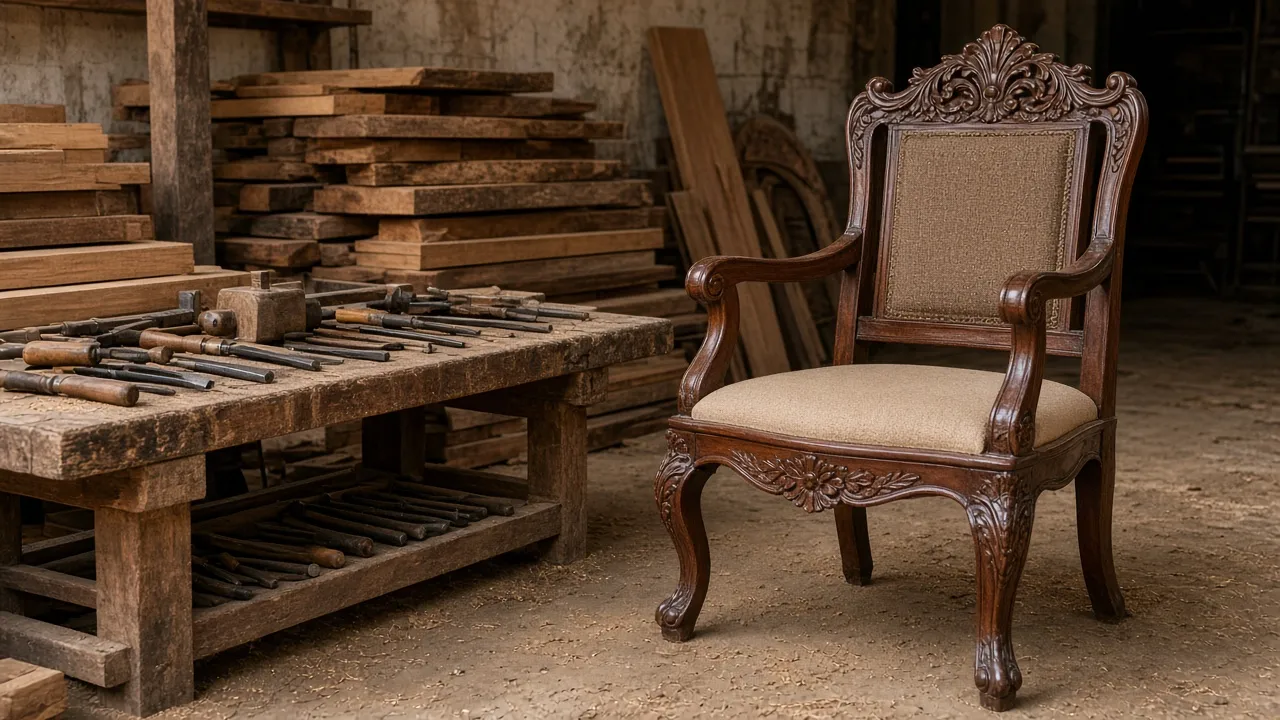
A family business should keep the elements customers trust and value most, such as the founder’s story, craftsmanship, workshop skills, reliability and long-standing relationships. These are genuine differentiators that newer brands cannot easily copy.
Heritage becomes an asset when presented with confidence. A clean modern identity can still reference founding year, workshop location or signature techniques. Brands such as DIMENSIONS and INDESIGN, which ONEDIGITAL works with, show how established names can be presented with contemporary clarity.
How do you get the founders on board?
You get the founders on board by involving them early, respecting what they built and showing how the rebrand protects and extends their legacy. Rebrands fail when they feel like a rejection of the previous generation.
Share customer research, competitor examples and clear business goals. Invite founders to contribute stories, archive photos and craft knowledge, which often become the richest material for the new brand.
What research should come before a rebrand?
Research before a rebrand should cover existing customers, lost customers, architects and designers, dealers, and competitors. The aim is to understand what people value, what holds them back and how the business is perceived today.
Short interviews and showroom observations often reveal more than surveys. The findings shape positioning and help resolve internal disagreements with evidence rather than opinion.
Include a few customers who stopped buying or chose a competitor. Their reasons are often the clearest guide to what the rebrand must fix, whether that is outdated presentation, slow service or a perception that the brand is only for one generation.
Should the business change its name?
The business should change its name only if the current name genuinely limits growth, causes confusion or carries negative associations. Many family businesses keep the name and modernise the identity around it.
The table below compares common approaches.
| Approach | What changes | Best when | Risk |
|---|---|---|---|
| Refresh | Logo, typography, photography | Name is strong, look is dated | May feel too subtle |
| Reposition | Positioning, identity, product presentation | Moving upmarket or to designers | Needs internal alignment |
| Rename | Name and full identity | Name limits growth or causes confusion | Loss of existing recognition |
| Sub-brand | New premium line under family name | Testing a new segment | Can dilute focus |
What does the rebrand process look like?
The rebrand process typically moves from research to positioning, then identity design, product and photography direction, digital and showroom updates, and finally launch. Each stage builds on the last.
- Research: customers, designers, dealers, competitors
- Positioning: who you serve and why you are different
- Identity: name decision, logo, typography, colour, voice
- Product presentation: photography, catalogues, naming of collections
- Digital: website, social media, Google profiles
- Showroom: signage, displays, experience
- Launch: story, event, PR and dealer communication
How should product presentation change?
Product presentation should change to show the furniture the way design-led buyers expect: professional photography, styled room sets, clear specifications and consistent collection names. Many family businesses have great products photographed poorly.
Investing in a new photography library is often the single most visible improvement. ONEDIGITAL’s product and lifestyle photography work is usually central to furniture rebrands.
How do you update digital presence during a rebrand?
You update digital presence by launching a new website, refreshing social profiles, updating Google Business Profiles and redirecting any old domains. Keep business details consistent everywhere and preserve search equity by redirecting old URLs to new ones.
A new website is also the moment to add product information, guides and project stories that support SEO and AI visibility. ONEDIGITAL’s web design team plans redirects carefully so rankings are not lost.
How should the showroom change?
The showroom should change to reflect the new positioning through signage, layout, lighting and curated room settings. Even modest changes, such as fewer pieces displayed with more space, better lighting and new signage, can transform perception.
Create spaces where architects can sit with clients to review materials and drawings. This signals that the business welcomes professional collaboration.
How should the rebrand be launched?
The rebrand should be launched with a clear story that honours the past and explains the future. A launch event for loyal customers, architects, dealers and press, supported by PR and social content, builds goodwill and attention.
Communicate directly with long-standing customers and dealers before the public launch so they feel included. ONEDIGITAL’s event and PR teams often run these launches together.
How can the next generation balance tradition and change?
The next generation can balance tradition and change by separating what must stay constant from what can evolve. Values, craft standards and customer care usually stay constant, while presentation, channels, product range and customer experience can evolve to meet new expectations.
Make changes visible but respectful. For example, a new collection designed with a contemporary designer can sit alongside signature classic pieces, showing range without abandoning loyal customers. Telling the story of how a founder’s techniques inspire new designs connects the generations naturally.
Regular conversations between generations, with clear decision rights, prevent the rebrand from becoming a source of family conflict. Agree upfront who decides on identity, product and marketing, and how disagreements will be resolved.
How do you know the rebrand worked?
You know the rebrand worked when the business attracts the customers and projects it targeted, such as more architect specifications, higher average order values, new city enquiries or stronger online sales. Track these against a pre-rebrand baseline.
Also listen to qualitative feedback from customers, designers and staff. Pride in the brand among the team is often one of the first and most lasting signs of success.
Key takeaways
- Rebrand to reach new customers, not just to look new.
- Keep heritage elements customers value.
- Involve founders early and use research to align.
- Rename only when the name truly limits growth.
- Update photography, website and showroom together.
Frequently asked questions
Should a family furniture business change its name?
Only if the name limits growth or causes confusion. Many businesses keep the name and modernise the identity.
How long does a furniture business rebrand take?
From a few months for a refresh to longer for full repositioning with new website and showroom changes.
Will a rebrand lose existing customers?
Not if it is communicated well and keeps the qualities customers value, such as craft and reliability.
What is the most visible part of a furniture rebrand?
New photography and a new website are often the most visible improvements.
Does ONEDIGITAL rebrand furniture businesses?
Yes. ONEDIGITAL handles research, identity, photography, websites and launches for furniture and decor brands.
Sources
Want help applying this to your brand? Talk to the ONEDIGITAL team in Mumbai, Delhi, Gurugram, Bangalore or Dubai.