

Quick answer: Luxury interior brands in India grow by owning a clear niche, showing craft through high-quality visual content, earning trust with architects and designers, and being findable when buyers search Google or ask AI assistants. The strongest plans combine brand positioning, search and AI visibility, PR, Instagram and LinkedIn, and a showroom experience that converts.
What makes luxury interior marketing different from regular marketing?
Luxury interior marketing sells desire, trust and craft rather than price or convenience. A buyer choosing a hand-finished marble table or bespoke wardrobe system is making a long, considered decision, often with an architect or interior designer influencing every step. That changes how a brand should communicate.
Discounts, loud calls to action and generic stock photography tend to undermine the perception of exclusivity a luxury brand depends on. Instead, the work is about consistency: the same tone, typography, photography style and level of detail across the website, social channels, catalogues, showroom and sales conversations. Every touchpoint either adds to or subtracts from the brand premium.
The audience is also layered. End clients see the finished space, but specifiers such as architects, interior designers and PMC firms often shortlist the brands. A good strategy speaks to both groups, with inspiration for homeowners and technical confidence for professionals.
Who should a luxury interior brand target first?
Most luxury interior brands should target the specifier community first, then the end client. Architects and interior designers repeat-purchase across many projects, so winning one studio can lead to many installations over the years.
That means investing in assets professionals actually use: specification sheets, finish libraries, BIM or CAD files where relevant, sample programmes, studio visits and experience centre walkthroughs. ONEDIGITAL works across the architecture and interior design industry and the lifestyle and luxury sector, and the brands that grow fastest usually make life easier for the designer.
End clients still matter, especially for furniture, lighting and decor brands with retail showrooms. For them, the job is inspiration and reassurance: real project imagery, clear information about materials and lead times, and an easy way to book a visit.
- Primary: architects, interior designers, PMC and turnkey firms
- Secondary: high-net-worth homeowners and villa or apartment buyers
- Tertiary: hospitality, real estate developers and corporate clients
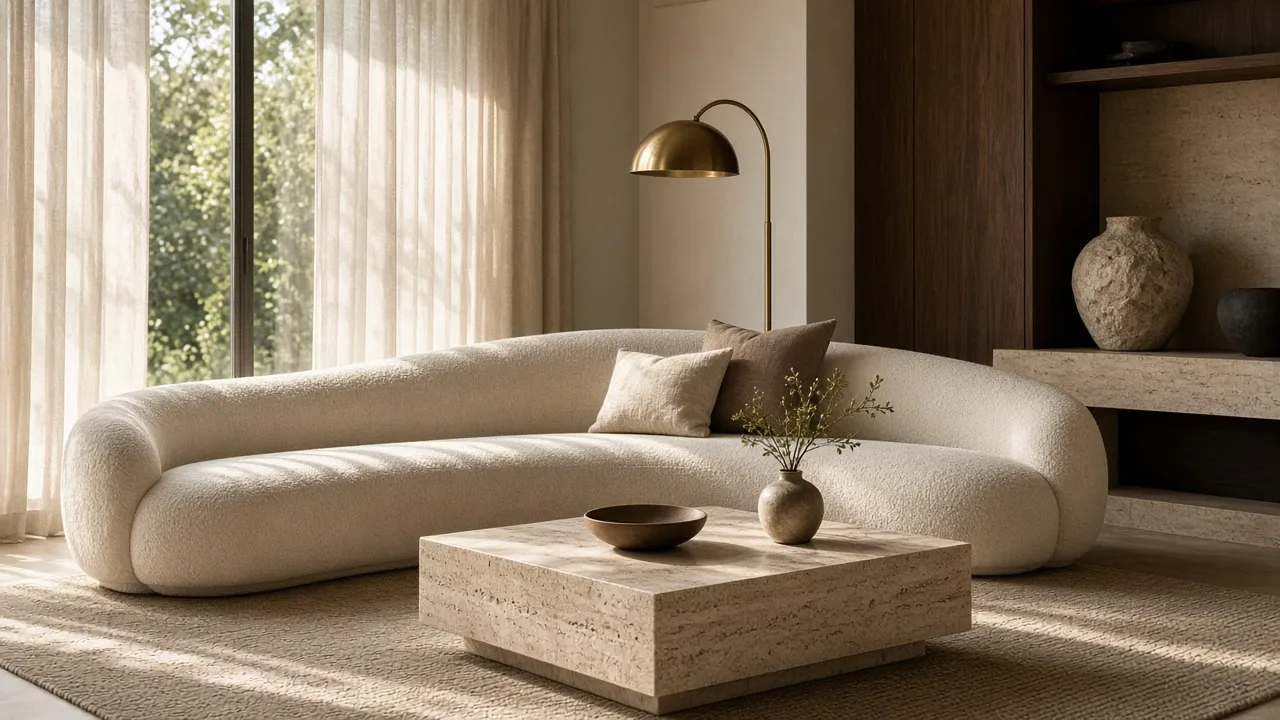
Which marketing channels work best for luxury interior brands in India?
The channels that work best are the ones where considered buyers research: Google search, Instagram, LinkedIn, design media and increasingly AI assistants such as ChatGPT, Gemini and Perplexity. Paid ads help, but they work best on top of a strong organic foundation.
The comparison table below summarises how each channel typically contributes. The right mix depends on whether you sell through your own showroom, dealers, or directly to projects.
| Channel | Best for | Typical role | Watch out for |
|---|---|---|---|
| Google search (SEO) | Buyers researching categories and brands | Long-term, compounding visibility | Takes months to build |
| AI assistants (AEO/GEO) | Shortlisting and comparisons | Being named and cited in answers | Depends on wider web mentions |
| Inspiration and visual proof | Brand desire, project showcases | Vanity metrics without enquiries | |
| Architects, developers, corporate clients | Specifier trust, founder voice | Needs consistent posting | |
| Design PR | Credibility and awareness | Third-party validation | Needs genuinely newsworthy stories |
| Paid ads | Launches and showroom footfall | Fast, targeted reach | Can cheapen the brand if overused |
How should a luxury brand show its craftsmanship online?
A luxury brand should show craftsmanship through process, material and context. Close-up photography of joinery, stone veining, hand-stitching or metal finishing communicates quality far better than adjectives such as “premium” or “world-class”.
Short films of the making process, behind-the-scenes Reels from the workshop, and installed-project photography shot by an architectural photographer all build credibility. ONEDIGITAL’s photography and videography team typically plans shoots around three needs: product hero images, in-situ lifestyle images and process content.
Written content matters too. Explaining why a particular wood is kiln-dried, how a marble slab is book-matched, or what makes a lighting fixture’s diffuser glare-free helps both search engines and buyers understand your expertise.
How do search and AI answers fit into a luxury interior strategy?
Search and AI answers are now where many buyers start shortlisting brands, so a luxury brand needs pages that answer real questions clearly. Google states that the same SEO fundamentals apply to AI Overviews and AI Mode, with no special extra requirements beyond being indexed and eligible to show a snippet.
In practice, that means clear service and category pages, a helpful blog or journal, FAQ sections, consistent business information, and structured data that matches the visible page. It also means being mentioned in credible third-party places, such as design publications and directories, because AI tools draw on the wider web when they describe brands.
Our digital marketing work increasingly blends classic SEO with answer-first content so a brand can be cited, not just ranked.
What role do PR and showrooms play?
PR builds third-party credibility and showrooms convert that credibility into sales. Features in design magazines, award entries and launch events give a brand proof that advertising cannot buy, and they also create mentions that search engines and AI tools can find.
A well-designed experience centre lets architects bring clients to touch materials and see scale. The marketing job is to drive qualified visits, make the visit memorable, and follow up with the right information. Brands such as RACCONTI, DIVIANA and ROSA BAGH, which ONEDIGITAL works with, show how a strong physical and digital presence can reinforce each other.
How do you measure luxury marketing success?
Luxury marketing success is best measured by qualified enquiries, specifier relationships and average project value, not by follower counts. Track showroom visits booked, architect sign-ups for samples, enquiry quality, and how often the brand appears for important searches and AI prompts.
Set a quarterly review that looks at organic search visibility, branded search growth, Instagram saves and shares, LinkedIn engagement from professionals, and media mentions. Over time, these leading signals should correlate with larger, more frequent projects.
Key takeaways
- Lead with craft, consistency and trust rather than discounts.
- Win architects and interior designers first; they influence many projects.
- Use process and in-situ photography to prove quality.
- Treat search and AI answers as one visibility system built on helpful content.
- Measure enquiries and specifier relationships, not just followers.
Frequently asked questions
How long does it take for luxury brand marketing to show results?
Paid campaigns can generate enquiries within weeks, while SEO, PR and brand positioning usually take several months to compound. Most luxury brands should plan in quarters and review leading indicators monthly.
Should a luxury interior brand run discounts?
Generally no. Frequent discounts train buyers to wait for offers and weaken premium perception. Value-adds such as design consultations or exclusive previews usually protect the brand better.
Is Instagram enough for a luxury interior brand?
No. Instagram is valuable for inspiration, but buyers also search Google, ask AI assistants and check credibility through PR and LinkedIn. Relying on one platform is risky.
Do luxury brands need a blog?
A blog or journal helps a luxury brand answer buyer questions, show expertise and appear in search and AI answers. It should be well-written and visual, not filler content.
Which brands does ONEDIGITAL work with in this space?
ONEDIGITAL works with brands such as DIVIANA, RACCONTI, VIVONO, ROSA BAGH, HOME ETTU and Moorgen across interiors, furniture and luxury categories.
Sources
- Google Search Central: AI features and your website
- Google Search Central: Creating helpful, reliable, people-first content
Want help applying this to your brand? Talk to the ONEDIGITAL team in Mumbai, Delhi, Gurugram, Bangalore or Dubai.