

Quick answer: Furniture brands in India build demand by choosing a clear positioning, producing excellent product and lifestyle content, making every product easy to find on Google and in AI answers, supporting dealers and architects, and turning showroom visits into sales. Consistency across website, catalogue, social and store matters more than any single campaign.
Why do many furniture brands struggle to stand out?
Many furniture brands struggle because they describe themselves in the same words as everyone else: premium, quality, modern, durable. When positioning is generic, buyers compare on price, and margins shrink.
The fix is to decide what you are genuinely best at. That might be a material specialisation, a design language, a manufacturing capability, delivery speed for projects, or customisation. ONEDIGITAL’s branding team usually starts with this question before any visual work, because a clear position makes every later marketing decision easier.
Stand-out brands also tell the story behind the product: who designs it, where it is made, and why it is built the way it is.
What content should a furniture brand create?
A furniture brand should create three core types of content: product hero imagery, lifestyle or in-situ imagery, and educational content that answers buyer questions. Together these cover the visual and informational needs of homeowners, designers and dealers.
Product pages need accurate dimensions, materials, finishes, care instructions and lead times. Lifestyle imagery shows scale and styling. Educational content covers questions such as how to choose a sofa fabric for Indian weather, or what makes engineered wood different from solid wood.
- Product photography on clean backgrounds plus detail shots
- Room-set and installed-project photography
- Short videos showing mechanisms, textures and finishes
- Downloadable catalogues and finish cards for specifiers
- Guides and FAQs answering common buying questions
How should a furniture brand approach SEO?
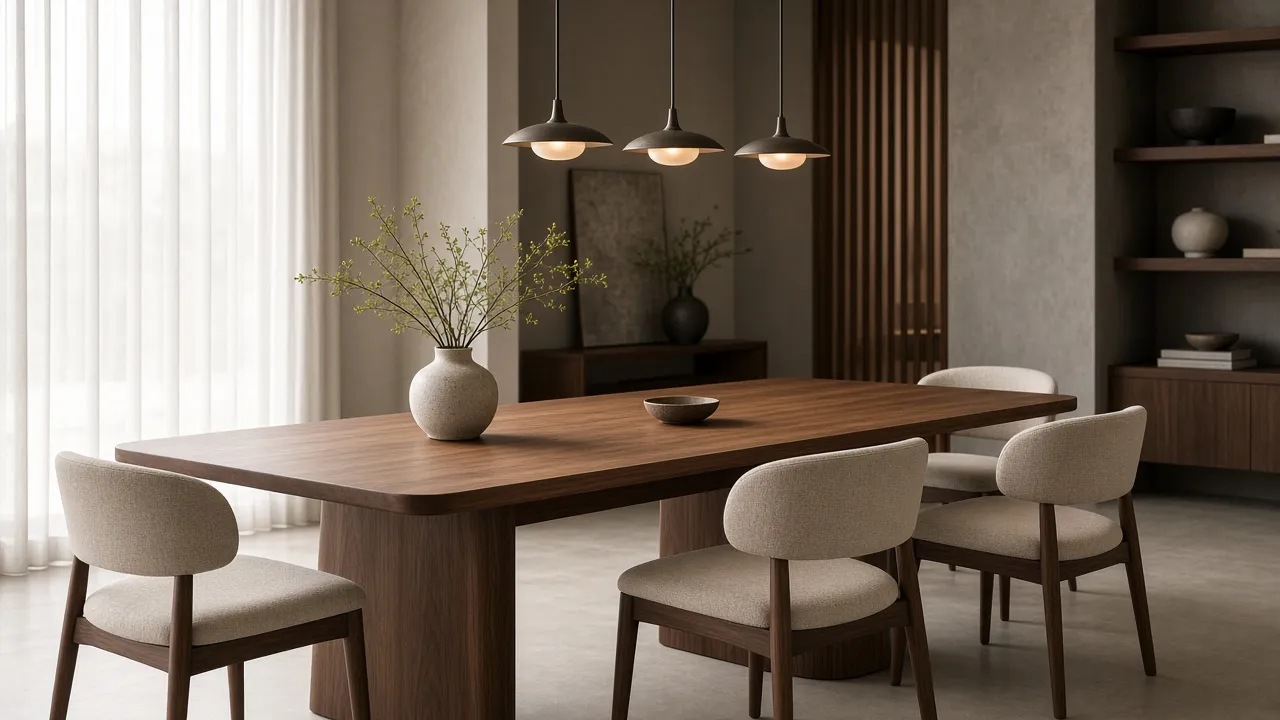
A furniture brand should approach SEO by building well-structured category and product pages, then supporting them with helpful guides. Category pages such as “dining tables” or “lounge chairs” often have the clearest commercial intent.
Technical basics matter: fast-loading pages, descriptive titles, image alt text, clean URLs and internal links between related products and guides. Local searches such as “luxury furniture stores near me” also depend on an accurate Google Business Profile for each showroom.
Google’s guidance is that the same SEO best practices apply to its AI features, so a strong SEO foundation also improves the chances of being included in AI Overviews.
Which channels should furniture brands prioritise?
Furniture brands should prioritise channels based on how they sell. Direct-to-consumer brands lean on search, Instagram and performance ads, while project-focused brands lean on LinkedIn, architect outreach, PR and trade events.
The table below compares common furniture business models and the channel mix that usually suits them.
| Business model | Main buyers | Priority channels | Key asset |
|---|---|---|---|
| D2C online brand | Homeowners | SEO, Instagram, performance ads | Product pages and reviews |
| Showroom retail brand | Homeowners and designers | Local SEO, Instagram, events | Google Business Profile, showroom experience |
| Project / contract supplier | Architects, developers, corporates | LinkedIn, PR, trade events, AEO | Specification packs and case studies |
| Dealer-led brand | Dealers and their customers | Dealer kits, regional ads, catalogues | Co-branded marketing material |
How can furniture brands support dealers and architects?
Furniture brands support dealers and architects by giving them ready-to-use marketing assets and fast, accurate information. A dealer who has good photography, price lists and display guidance sells more confidently.
For architects, offer specification packs, finish samples, quick quotations and project references. Studio presentations and experience centre visits are still among the most effective ways to get specified. ONEDIGITAL’s event management and content teams often build launch and showroom events around exactly this audience.
How should furniture brands use Instagram and LinkedIn?
Furniture brands should use Instagram to create desire and LinkedIn to build professional trust. On Instagram, Reels showing textures, mechanisms, upholstery details and styled rooms tend to earn saves and shares, which signal genuine interest. Carousels work well for “how to choose” content, such as comparing fabric types or dining table shapes for different room sizes.
Instagram now supports Reels of up to three minutes, which gives furniture brands room for short walkthroughs of a showroom or a piece being made, though shorter edits usually suit discovery better. Pin your best project posts and keep highlights organised by category so a visitor can find dining, living or bedroom products quickly.
LinkedIn is where architects, developers, hotel groups and corporate buyers spend their professional time. Founders and design heads can share manufacturing insights, project completions, sustainability practices and trade event participation. A posting rhythm of a few thoughtful posts each week is usually more effective than daily low-effort updates. The social media management team at ONEDIGITAL often plans both channels from the same content shoot, adapting the edit and copy for each platform.
How can a furniture brand turn showroom visits into sales?
A furniture brand turns showroom visits into sales by preparing before the visit, guiding during it and following up quickly after it. Before the visit, confirm the buyer’s room, budget range, timelines and whether an architect is involved, so the team can prepare relevant pieces and finishes.
During the visit, let people touch materials, sit on seating, open drawers and compare finishes under realistic lighting. Room vignettes help buyers imagine scale far better than rows of products. After the visit, send a short, personalised follow-up with photos of the pieces they liked, dimensions, finish options, lead times and next steps.
Track which marketing source brought each visit, whether search, Instagram, an architect referral or an event, so you can invest more in the channels that bring serious buyers.
What does a strong furniture brand look like in practice?
A strong furniture brand looks consistent everywhere: the website, catalogue, Instagram grid, showroom signage and sales presentations all share one visual system and tone. Portfolio projects such as RACCONTI and VIVONO show how a defined identity carries across channels.
It also responds quickly. Enquiries from WhatsApp, Instagram and the website should be answered fast, with the right catalogue or showroom booking link. Slow follow-up is one of the most common reasons good marketing fails to turn into sales.
Key takeaways
- Define a specific positioning instead of generic quality claims.
- Invest in product, lifestyle and educational content together.
- Build strong category pages and local SEO for each showroom.
- Match channels to your business model.
- Equip dealers and architects with ready-to-use assets.
Frequently asked questions
What is the best marketing channel for furniture brands in India?
There is no single best channel. Search and Instagram suit retail and D2C brands, while LinkedIn, PR and architect outreach suit project-focused brands. Most brands need a combination.
How important is photography for furniture marketing?
Very important. Buyers cannot touch furniture online, so accurate product, detail and in-situ photography carries much of the selling job.
Should furniture brands sell on marketplaces?
Marketplaces can add reach for some D2C categories, but luxury and design-led brands often protect their positioning by selling through their own website and showrooms.
How can a furniture brand appear in AI answers?
By publishing clear, helpful pages that answer buyer questions, keeping business information consistent across the web, earning credible mentions and following SEO fundamentals.
Does ONEDIGITAL work with furniture brands?
Yes. ONEDIGITAL works with furniture and interior brands such as RACCONTI, VIVONO, DIVIANA and HOME ETTU on branding, content and digital marketing.
Sources
- Google Search Central: AI features and your website
- Google Business Profile Help: Guidelines for representing your business
- The Verge: Instagram Reels can be 3 minutes long now (Jan 2025)
Want help applying this to your brand? Talk to the ONEDIGITAL team in Mumbai, Delhi, Gurugram, Bangalore or Dubai.