

Quick answer: SEO for furniture brands works best when category pages target the way people search, product pages carry complete details and great images, each showroom has an accurate Google Business Profile, and helpful buying guides answer real questions. The same foundations also help a brand appear in Google AI Overviews and AI assistants.
Why does SEO matter for furniture brands?
SEO matters for furniture brands because buyers research extensively before spending on a sofa, dining set or bedroom suite, and much of that research begins with a search. Someone typing “luxury dining tables Mumbai” or “solid wood bed online India” is already close to a decision.
Organic visibility compounds. Unlike ads, which stop when spending stops, well-built category pages and guides keep attracting qualified visitors month after month. For brands with showrooms, SEO also drives store visits through local results and maps. ONEDIGITAL’s own data from Ubersuggest shows that searches such as “luxury furniture” and “luxury furniture stores” are among the topics this site already ranks for, which reflects how actively buyers search this category.
Which pages matter most for furniture SEO?
Category pages usually matter most because they match broad buying searches such as “lounge chairs” or “outdoor furniture”. Product pages capture specific searches, guides capture research questions and showroom pages capture local intent.
The table below compares these page types and what each needs to rank well.
| Page type | Search intent | What it needs | Priority |
|---|---|---|---|
| Category page | Browsing a product type | Clear title, intro copy, filters, internal links | High |
| Product page | Specific product research | Unique copy, specs, images, delivery info | High |
| Showroom page | Local visit | Address, hours, directions, photos | High for retail |
| Buying guide | Research and comparison | Answer-first content, tables, links to products | Medium to high |
| Brand story page | Trust and credibility | Founders, craft, materials, press | Medium |
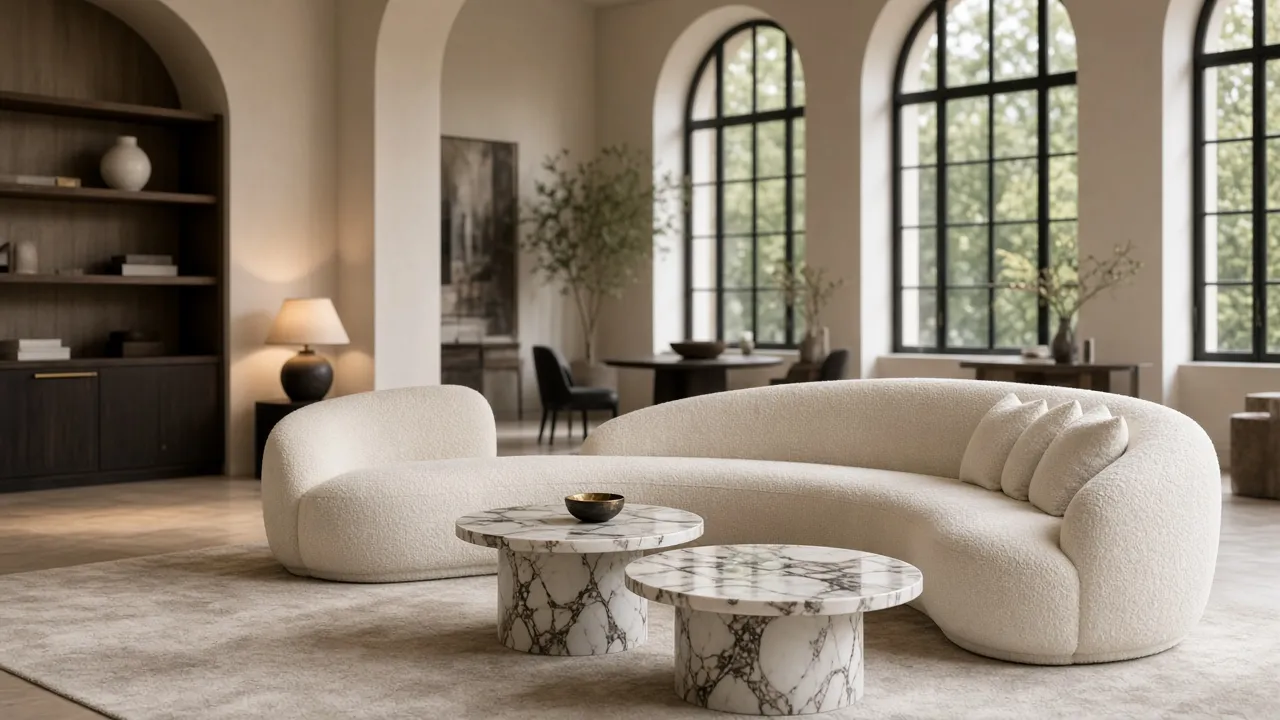
How should furniture category pages be optimised?
Furniture category pages should be optimised with a clear, descriptive title, a short introduction explaining the range, filters that help buyers narrow choices and internal links to related guides. An introduction of a few useful sentences above the products helps search engines understand the page without pushing products too far down.
Use the words buyers actually use. If people search for “sofa sets” more than “seating systems”, name the category accordingly. Avoid creating dozens of near-identical filtered URLs that compete with each other; keep important category pages distinct and focused.
What should a furniture product page include?
A furniture product page should include accurate dimensions, materials, finish options, care instructions, lead time, delivery information and multiple high-quality images, including detail and in-room shots. Unique descriptions written for each product outperform manufacturer copy reused across many sites.
- Descriptive product title with type and material
- Unique description explaining design intent and use
- Dimensions in a clear table, with seat height for seating
- Material, finish and fabric options with swatches
- Images: front, side, detail, scale and in-room
- Delivery, assembly, warranty and care information
- Related products and links to buying guides
How do images affect furniture SEO?
Images affect furniture SEO through page speed, image search visibility and how well search engines understand the product. Compressed modern formats such as WebP keep pages fast, while descriptive file names and alt text describe what each image shows.
Alt text should describe the image naturally, such as “walnut dining table with six upholstered chairs in a bright dining room”, not repeat keywords. Google lists supporting text content with high-quality images among its SEO best practices for AI features, so strong photography helps on several fronts. ONEDIGITAL’s product photography team plans shoots with this in mind.
How should furniture showrooms approach local SEO?
Furniture showrooms should approach local SEO by maintaining a complete, accurate Google Business Profile for each location, with correct hours, categories, photos and regular responses to reviews. Each showroom should also have its own page on the website with address, directions, opening hours and what visitors can see there.
Google’s Business Profile guidelines require that your profile represents the business as it is consistently known offline, so avoid adding keywords to the business name. Keep name, address and phone details identical across the website and directories.
What content helps furniture brands rank?
Content that helps furniture brands rank answers practical buying questions: how to choose a sofa fabric for humid cities, what size rug to use under a dining table, how solid wood compares with veneer, or how to care for marble surfaces. Each guide should link to relevant categories and products.
This content also positions the brand as an expert, which helps when buyers compare options and when AI tools summarise advice. ONEDIGITAL’s content and editorial team builds editorial calendars around these questions for furniture and interior brands.
How can furniture brands appear in AI Overviews?
Furniture brands can appear in AI Overviews by following the same SEO fundamentals Google recommends for search overall. Google states there are no additional technical requirements for AI Overviews beyond being indexed and eligible to show with a snippet.
In practice, pages that answer questions clearly, use logical headings, include comparison tables and keep structured data consistent with visible content are easier for any system to understand. Off-site mentions in design publications and directories also help AI assistants describe your brand accurately.
What technical SEO issues do furniture sites often have?
Furniture sites often have slow pages from heavy images, duplicate content from filters and variants, broken links from discontinued products and thin product pages with little unique text. Each of these can weaken visibility.
Redirect discontinued product URLs to the closest live product or category, keep filters from creating endless indexable URLs, and compress images. A regular technical audit, as part of a broader digital marketing programme, catches these issues before they hurt rankings.
How long does furniture SEO take to work?
Furniture SEO typically takes several months to show meaningful results, depending on competition, site health and how much quality content is published. Technical fixes can help quickly once pages are recrawled, while authority and rankings for competitive terms build over time.
Track progress through impressions and clicks in Google Search Console, rankings for priority category terms, showroom direction requests and enquiries. Brands that commit to consistent improvement for a year usually see the clearest gains. Explore how ONEDIGITAL supports brands across the lifestyle and luxury industry.
Key takeaways
- Category pages are usually the biggest SEO opportunity.
- Product pages need unique copy, specs and great images.
- Each showroom needs its own Google profile and website page.
- Buying guides build authority and support AI visibility.
- Fix technical issues like slow images and broken product URLs.
Frequently asked questions
What is the most important SEO page for a furniture brand?
Category pages are usually most important because they match broad buying searches such as “dining tables” or “sofas”.
Should furniture brands write unique product descriptions?
Yes. Unique descriptions help search engines and buyers, and they avoid duplicate content across retailers.
How do I rank my furniture showroom on Google Maps?
Keep a complete, accurate Google Business Profile with photos, correct hours and real reviews, and link it to a dedicated showroom page.
Does image alt text help furniture SEO?
Yes. Descriptive alt text helps search engines understand images and improves accessibility.
Can ONEDIGITAL handle SEO for furniture brands?
Yes. ONEDIGITAL provides SEO, content and AI search optimisation for furniture, lighting and interior brands.
Sources
- Google Search Central: AI features and your website
- Google Business Profile Help: Guidelines for representing your business
Want help applying this to your brand? Talk to the ONEDIGITAL team in Mumbai, Delhi, Gurugram, Bangalore or Dubai.