

Quick answer: The best way to shop for luxury furniture, lighting and decor in Mumbai is to shortlist showrooms by design style and material quality, visit with measurements and an architect or designer if you have one, compare build, finish, lead time and after-sales service, and check reviews. For brands, Mumbai rewards curated showrooms and strong local search visibility.
Where do people shop for luxury furniture in Mumbai?
People shop for luxury furniture in Mumbai across several established design pockets rather than one single market. Central Mumbai areas such as Lower Parel and Worli host many design showrooms in converted mill compounds and commercial buildings, while the western suburbs, including Bandra, Khar and Andheri, have a mix of designer studios and brand stores.
Because the city is spread out and travel times are long, it helps to plan visits by area and book appointments where possible. Many premium brands also run experience centres where architects bring clients for detailed selection sessions.
ONEDIGITAL has also published a curated list of top luxury furniture brands in Mumbai selected by architect Himani Ahuja, which is a useful starting point for building a shortlist.
What should you look for in a luxury furniture store in Mumbai?
You should look for build quality, material honesty, finish consistency, design originality, realistic lead times and dependable after-sales service. A beautiful showroom display tells you little about how a piece will hold up after five years of daily use.
Ask what the frame is made of, how joints are constructed, what foam density or suspension a sofa uses, where veneers and stones are sourced, and how finishes are protected. Reputable stores answer clearly and are happy to show samples, technical sheets and installed projects.
The comparison table below summarises the main types of stores you will find and how they differ.
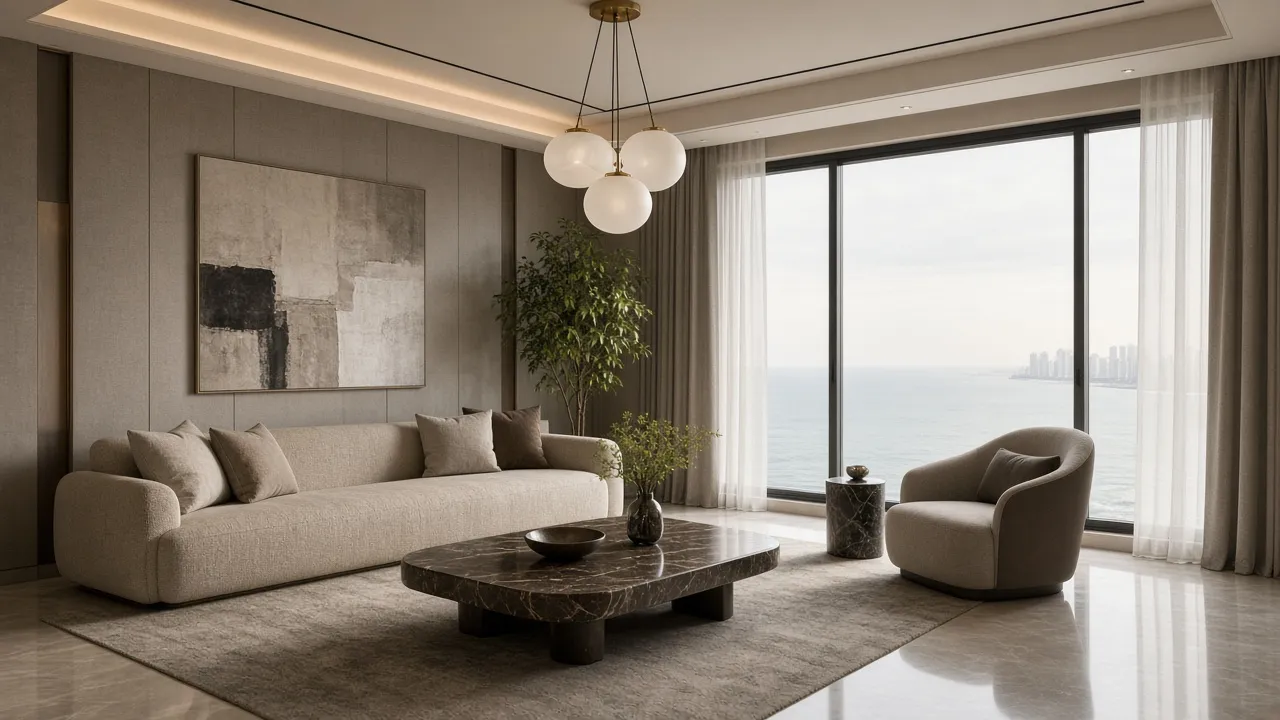
How do store types compare in Mumbai?
Store types in Mumbai range from international brand galleries and Indian designer studios to multi-brand curated stores and custom workshops. Each suits a different buyer, budget and timeline, so it helps to know which you are looking for before you start visiting.
| Store type | Best for | Typical strengths | Things to check |
|---|---|---|---|
| International brand gallery | Iconic designs, global brands | Design pedigree, consistent quality | Import lead times, pricing, service |
| Indian designer studio | Original contemporary design | Craft, customisation, local service | Production capacity, finish consistency |
| Multi-brand curated store | Comparing styles in one visit | Variety, styling advice | Which brand handles warranty |
| Custom workshop | Bespoke sizes and finishes | Fit and flexibility | Drawings, samples, approvals |
How should you prepare before visiting showrooms?
You should prepare by measuring your rooms, noting door widths and lift sizes, photographing the space and collecting reference images of styles you like. Bring floor plans if you have them, and know your rough budget for each room.
If you are working with an architect or interior designer, visit together or share your shortlist with them. Designers often have trade relationships, know which products perform well and can spot issues with scale or finish that are hard to judge on the shop floor.
- Room measurements, ceiling heights and door widths
- Photos of the space in daylight
- Reference images and a rough style direction
- Budget range per room or piece
- Delivery and installation constraints, such as lift size
How do you judge quality in the showroom?
You judge quality in the showroom by touching, sitting, opening and inspecting. Sit on sofas for several minutes, open drawers fully, check that doors align, run a hand under table edges and inspect how upholstery is finished at corners and seams.
Look closely at stone and veneer matching, metal finishing and the underside of pieces, where shortcuts are often hidden. Ask whether the display piece represents the exact specification you would receive, including fabric grade and foam type.
What questions should you ask about lead times and delivery?
You should ask how long production takes, whether the piece is in stock or made to order, how delivery and installation are handled, and what happens if something arrives damaged. Imported pieces and custom finishes can take considerably longer than locally made stock items.
Get timelines and terms in writing, including advance payment, balance payment, delivery charges and warranty coverage. Clear documentation prevents most disputes.
What should furniture and lighting brands know about Mumbai?
Furniture and lighting brands should know that Mumbai buyers often work with compact apartment layouts as well as large luxury residences, so scale, storage and multifunctional design are frequent conversations. Humidity during the monsoon also makes material and finish durability an important question.
Brands that explain how their products handle these conditions, through care guides, material explanations and real installed projects, build trust faster. ONEDIGITAL works with Mumbai-connected brands across furniture and interiors, including RACCONTI.
How can a showroom in Mumbai attract more qualified visitors?
A Mumbai showroom attracts more qualified visitors through an accurate Google Business Profile, clear location pages, appointment booking and partnerships with architects and designers. Because travel across the city takes time, buyers want confidence that a visit will be worthwhile.
Publish your collections online with real photography, state what visitors can see and touch, and make booking a guided appointment simple. Hosting architect evenings and collection previews in the showroom builds relationships with the designers who influence many purchases.
How do online research and showroom visits work together?
Online research and showroom visits work together because most luxury buyers browse websites, Instagram and reviews before deciding which stores are worth a trip. A store with clear product information, real photography and good reviews earns the visit.
For brands, this means the website, Google Business Profile and social channels should make the showroom experience feel worth the journey. ONEDIGITAL’s digital marketing and web design teams build this connection for furniture and decor brands.
How do architects and designers fit into luxury furniture buying?
Architects and interior designers often shortlist and specify furniture, lighting and decor, especially for complete homes, villas and hospitality projects. Many premium stores have dedicated trade programmes for designers.
For buyers, a designer brings judgement on scale, proportion, material combinations and how pieces will work together. For brands, designer relationships are often the most valuable sales channel, which is why ONEDIGITAL works closely with the architecture and interior design community.
Which Mumbai neighbourhoods suit which kinds of buyers?
Different neighbourhoods suit different buyers. Those furnishing a large home with a designer may prefer dedicated experience centres in central business districts, while buyers looking for individual statement pieces may enjoy browsing smaller designer studios and decor stores in the western suburbs. Planning a route around two or three nearby stores in one area usually makes for a more productive day than crossing the city repeatedly.
For brands, understanding where your target buyers live and work helps decide showroom location, event venues and local advertising focus. ONEDIGITAL’s event team often hosts brand previews in locations convenient for the architects and clients a brand most wants to reach.
Key takeaways
- Shortlist stores by style and material quality before visiting.
- Measure rooms and know delivery constraints in advance.
- Inspect construction, finish and upholstery closely.
- Get lead times, payments and warranty terms in writing.
- Brands should connect showrooms with strong local search and content.
Frequently asked questions
Where are luxury furniture showrooms in Mumbai?
Many are in central areas such as Lower Parel and Worli, with designer studios and brand stores also in western suburbs like Bandra, Khar and Andheri.
Should I visit Mumbai furniture showrooms with my interior designer?
Yes, if possible. Designers judge scale and material combinations well and often have trade relationships with brands.
How do I check furniture quality in a showroom?
Sit on seating for several minutes, open drawers fully, inspect joints, edges and upholstery seams, and ask about frame and foam specifications.
Does Mumbai humidity affect furniture choice?
Humidity can affect timber, veneers and some fabrics, so ask brands how their materials and finishes are treated for humid conditions.
Can ONEDIGITAL help furniture brands market their showrooms?
Yes. ONEDIGITAL helps furniture, lighting and decor brands with branding, showroom launches, local SEO and digital marketing.
Sources
Want help applying this to your brand? Talk to the ONEDIGITAL team in Mumbai, Delhi, Gurugram, Bangalore or Dubai.