

Quick answer: Lighting brands in India grow by speaking two languages: technical confidence for architects, lighting designers and contractors, and emotional inspiration for homeowners. That means accurate product data, photography that shows light rather than just fixtures, specification support, strong search and AI visibility, and showrooms where people can experience light quality in person.
Why is lighting harder to market than other interior products?
Lighting is harder to market because the product’s real value is the effect it creates, and that effect is difficult to capture in a photograph or describe in a listing. A fixture that looks beautiful switched off may produce harsh glare, and an understated downlight may transform a room.
Buyers also range widely. A homeowner might choose a statement chandelier on looks alone, while an architect or lighting consultant needs colour temperature, colour rendering, beam angles, dimming compatibility and installation details before specifying anything.
Successful lighting brands accept this complexity and build marketing that shows the light, not just the luminaire, and gives professionals the data they need without making them ask.
Who are the key buyers for a lighting brand?
The key buyers for a lighting brand are specifiers, installers and end clients. Specifiers include architects, interior designers and independent lighting designers. Installers include electrical contractors and project teams. End clients include homeowners, hoteliers, retailers and corporate occupiers.
Decorative lighting brands usually lean towards designers and homeowners, while architectural and technical lighting brands lean towards consultants, contractors and project developers. Many brands serve both, which is why a clear portfolio structure matters. ONEDIGITAL has worked with lighting-focused brands such as Abner and Ledlum, where the balance between inspiration and specification shaped the whole content plan.
How should a lighting brand photograph its products?
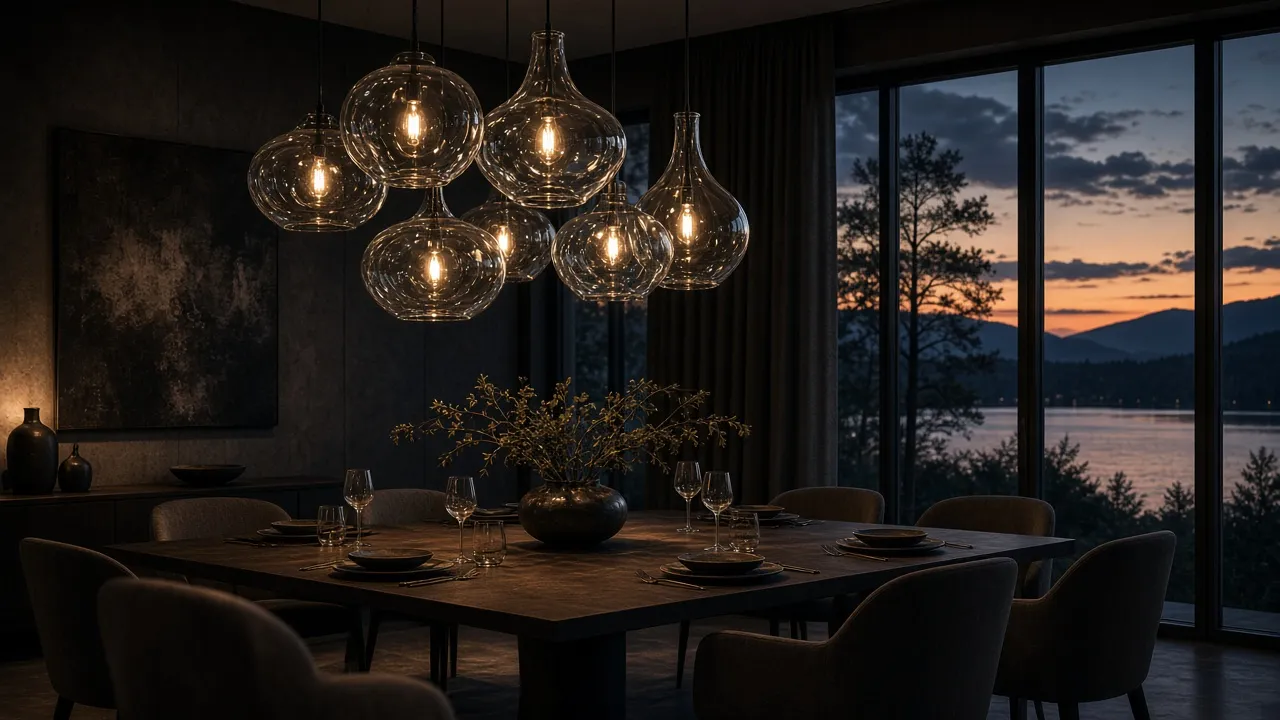
A lighting brand should photograph its products both as objects and as sources of light. Product shots on neutral backgrounds show form and finish, while in-situ shots, often taken at dusk or with controlled ambient light, show how the fixture shapes a space.
Detail shots of diffusers, glass, metalwork and joinery help communicate craft. Short videos are especially powerful for lighting because they can show dimming, colour change and the way light falls on walls and surfaces. Planning these shoots with an experienced architectural photography team avoids the common problem of blown-out highlights and flat, lifeless images.
What information do architects and lighting designers need?
Architects and lighting designers need complete, accurate technical information that they can trust without chasing a sales rep. That usually includes dimensions, wattage, lumen output, colour temperature options, colour rendering index, beam angle, IP rating where relevant, dimming protocol, mounting options and warranty.
Downloadable spec sheets, photometric files and installation guides on each product page save time and make it far more likely that your product is specified. Clear naming and consistent product codes across website, catalogue and price list prevent errors.
The comparison table below shows how different lighting audiences evaluate products.
| Buyer | Main concern | Content that helps | Decision trigger |
|---|---|---|---|
| Homeowner | Look, mood, price | Styled room imagery, buying guides | Showroom visit or designer recommendation |
| Interior designer | Aesthetic fit, finishes, lead time | Finish options, lookbooks, samples | Confidence in quality and delivery |
| Lighting designer | Performance and glare control | Photometric data, spec sheets | Technical credibility |
| Contractor | Installation and availability | Installation guides, stock info | Ease of supply and support |
How can lighting brands use SEO and AI search?
Lighting brands can use SEO and AI search by building pages that answer the questions people actually ask, such as how to light a double-height living room, the difference between warm and cool white for bedrooms, or how to choose pendant sizes over a dining table.
Category pages for pendants, wall lights, floor lamps, track systems and outdoor lighting should be well-organised and internally linked to relevant guides. Google says AI Overviews and AI Mode rely on the same SEO fundamentals as regular search, so clean structure and helpful content support both.
For AI assistants that recommend brands, mentions in design publications, award listings and project credits help a lighting brand become part of the conversation.
What role do showrooms and experience centres play?
Showrooms and experience centres let buyers see light quality in person, which is often what closes the sale. A good lighting showroom uses controlled zones so visitors can compare colour temperatures, dimming levels and glare control in realistic room settings.
Marketing should drive qualified visits through architect invitations, launch evenings, CPD-style knowledge sessions and targeted local campaigns. ONEDIGITAL’s event management team often builds launches around the moment the lights are dimmed, because that is when the product becomes memorable.
How should lighting brands use Instagram and LinkedIn?
Lighting brands should use Instagram for atmosphere and LinkedIn for professional credibility. Instagram Reels that show a room transforming as lights are switched on or dimmed are naturally engaging, and carousels can explain layering ambient, task and accent lighting.
LinkedIn suits project completions, technical insights, sustainability and energy-efficiency stories, and partnerships with architects. Tagging the design team on project posts, with permission, extends reach into exactly the professional audience a lighting brand needs.
How should a lighting brand plan a product launch?
A lighting brand should plan a product launch around a story, a sensory experience and ready-to-use assets for every channel. The story explains why the collection exists, whether that is a new material, a designer collaboration or a technical breakthrough such as better glare control.
The experience is usually an evening event or showroom preview where the lights can be seen at their best, with architects, designers and press invited. The assets include hero photography, a short film, a launch press release, Instagram and LinkedIn content, an updated catalogue and new product pages that are live before the event.
After the launch, follow up with attendees, send samples or spec packs to interested studios, and pitch project stories to design media once the first installations are complete. This turns a single evening into months of momentum. ONEDIGITAL’s PR team often plans this follow-on coverage as part of the launch itself.
Key takeaways
- Show the effect of light, not just the fixture.
- Publish complete technical data on every product page.
- Use dusk and video content to capture atmosphere.
- Answer real lighting questions to support search and AI visibility.
- Use showrooms and events to let people experience light quality.
Frequently asked questions
What is the best way to market a decorative lighting brand?
Combine inspiring in-situ photography and video with clear product information, strong Instagram content, PR in design media and a showroom where buyers can see the lights in person.
Do lighting brands need technical content on their website?
Yes. Architects and lighting designers expect spec sheets and photometric data. Without them, products are less likely to be specified.
How can a lighting brand get more architect specifications?
Make specification easy with downloadable data, samples, quick quotes and showroom sessions, and build relationships through events and LinkedIn.
Should lighting brands invest in video?
Video is particularly valuable for lighting because it shows dimming, colour and the way light interacts with surfaces, which still images struggle to capture.
Does ONEDIGITAL work with lighting brands?
Yes. ONEDIGITAL has worked with lighting brands including Abner and Ledlum on branding, content and digital marketing.
Sources
- Google Search Central: AI features and your website
- The Verge: Instagram Reels can be 3 minutes long now (Jan 2025)
Want help applying this to your brand? Talk to the ONEDIGITAL team in Mumbai, Delhi, Gurugram, Bangalore or Dubai.